
Our Services
Turbo Chargers
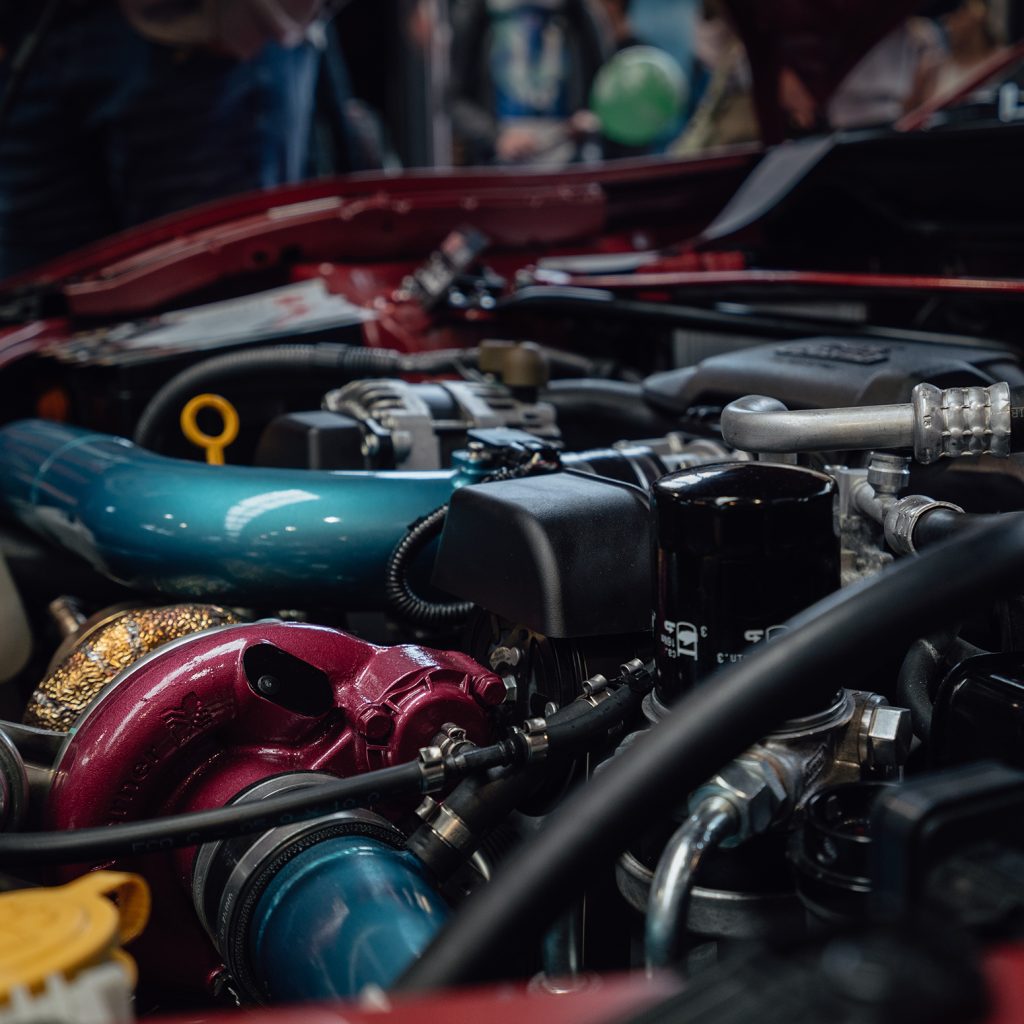
Turbo Care specialise in turbo chargers , turbo repairs as well as turbo parts. Turbo Failure Causes: 90% of all turbo failures are due to the following causes: Penetration of foreign bodies into the turbine or the compressor Dirt in the oil Inadequate oil supply (oil pressure/filter system/carbon-build-up in the oil supply pipe) High exhaust gas temperatures (ignition system/injection system) Faulty electronic actuator on turbocharger Many of these failures can be avoided by regular maintenance. When maintaining the air filter system, for example, care should be taken that no foreign material gets into the turbo.

Turbo Repairs
Turbo Care provides turbo repairs and is able to determine the failure diagnosis of turbos, which will save you money. If the engine does not operate properly, one should not assume that the turbo is the cause of failure. In many cases a turbo is replaced, although the fault is engine-related and not caused by a faulty turbo. It might be that the problem shows up at the turbo, although the turbo is in perfect condition (for example engine blow-by/sump-compression, pushing oil through the oil-return back and forcing oil past the oil-rings of the turbo). In other cases, an engine-fault could damage the turbo, and after replacing the turbo, the engine still needs to be attended to. In general the following could also play a role in proper functioning of the turbo although it’s not part of the turbo: Air-mass meter Boost-control sensors Pressure regulators Engine Gas Recirculation (EGR) valve Engine Control Unit (ECU) Boost-pipes Intercooler
Turbo Installation
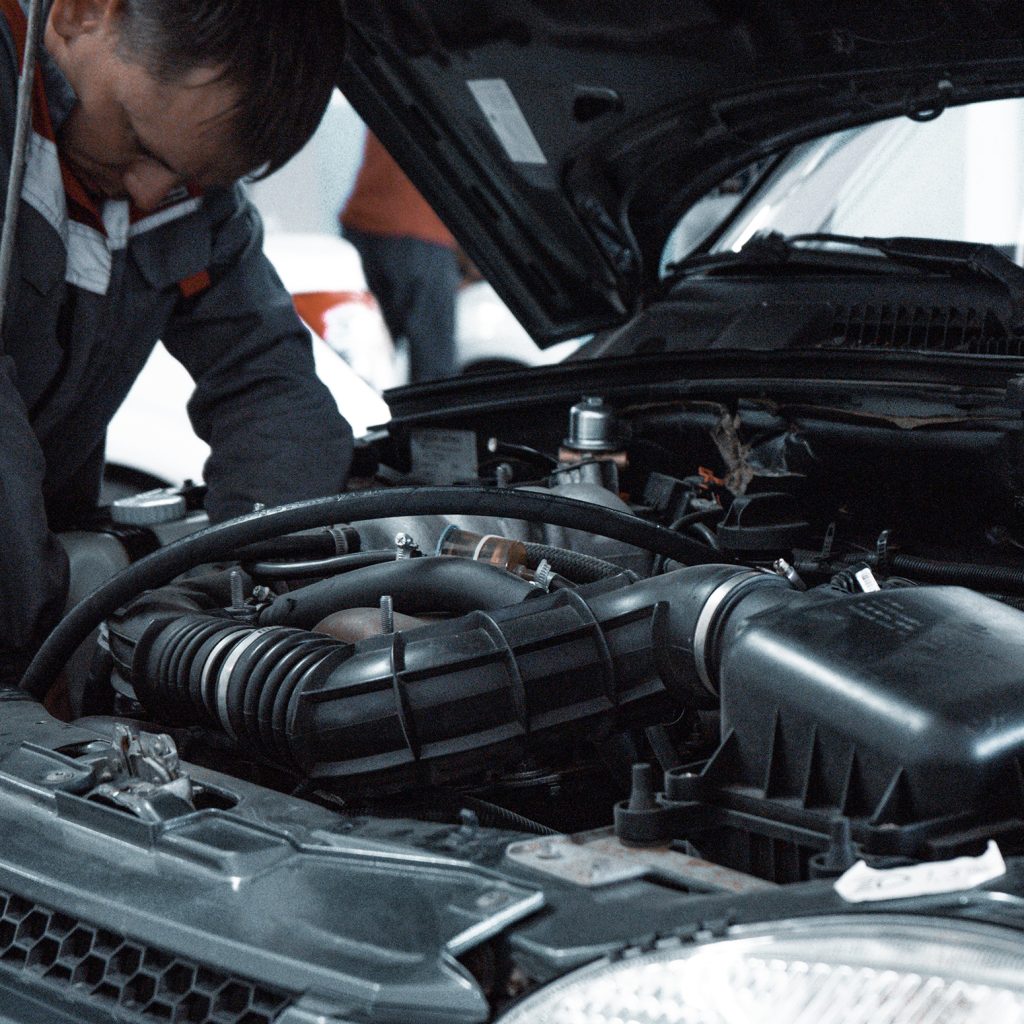
Turbo Care are involved in turbo installation in the Johannesburg and surrounding areas. When fitting a turbo, the following should be checked carefully: Air intake Oil supply Exhaust manifold Oil-supply and drain pipe for leaks, foreign bodies and restrictions and replace or clean as necessary You ensure that the oil is that recommended by the engine manufacturer You ensure lock-plates to be fastened after realignment Remember that the unit contains little or no oil and must be pre-oiled by pouring clean oil into the turbo centre housing oil inlet for initial lubrication Install turbo on engine replacing all gaskets. Ensure no gaskets sealants or compounds are used – a small amount of silicon inside a bearing-housing will lead to turbo seizure Leave oil pipes disconnected and crank engine until oil flows from the feed pipe with the fuel shut-off in the “off” position and the solenoid disconnected (on engines equipped with electric shut-off) Connect oil feed pipe Crank engine until oil flows from oil outlet Connect drain pipe and crank engine for 5 seconds Start engine and idle for 3 – 5 minutes before accelerating Before engine is switched off it is important that it is allowed to idle for 3 – 5 minutes.
F.A.Q.
FAQs for Turbo Care that cover common questions about turbos, turbo repairs, and their services:
Some common signs of a turbo problem include loss of power, reduced acceleration, unusual noises (such as whistling or grinding), and excessive smoke or oil consumption.
We recommend having your turbo serviced at least once a year, or as recommended by your vehicle manufacturer. Regular maintenance can help prevent issues and prolong the life of your turbo.
Turbo Care offers a wide range of services for turbos, including repairs, maintenance, upgrades, and custom installations. Our team of experts can work with you to create a personalized solution that meets your unique needs and preferences.
The length of time for a turbo installation can vary depending on the type of vehicle and the scope of the installation. Our team can provide you with an estimated timeframe based on your specific needs.
You can schedule a consultation with Turbo Care by contacting us through our website or by phone. Our team will be happy to answer any questions you may have and help you get started on your turbo journey.